

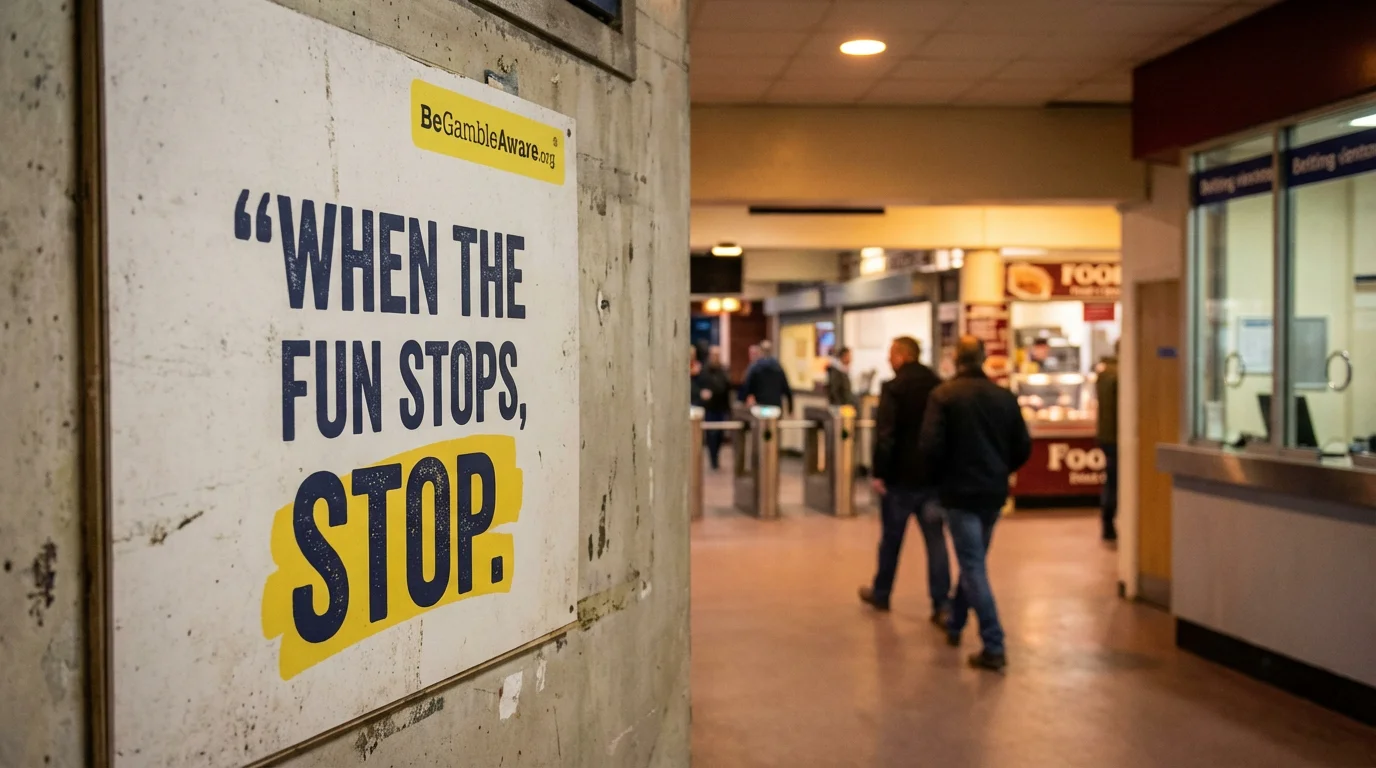
The Bet You Don’t Place Is Sometimes the Best One
Greyhound racing offers more betting opportunities in a single day than most sports offer in a week. Over a hundred races across morning, afternoon, and evening meetings, each with a full racecard and a six-dog field — the volume of action available to a bettor with an online account is effectively limitless. That volume is a resource for bettors with a disciplined approach and a defined method. For bettors without those things, it’s a conveyor belt that moves faster than their decision-making can keep up with.
Responsible betting in greyhound racing isn’t about reducing the fun. It’s about sustaining it. A bankroll that’s managed well lasts longer, produces clearer thinking, and creates the conditions under which form analysis can actually work. A bankroll that’s unmanaged — staked impulsively, chased after losses, and stretched across too many races — doesn’t survive long enough for any analytical edge to manifest. This guide covers practical bankroll management, session discipline, and the patterns that signal when betting has stopped being a considered activity and started being something else.
Bankroll Management: The Foundation
A betting bankroll is a fixed sum of money set aside specifically for betting, separate from everyday finances. The amount is personal — it depends on your income, your circumstances, and what you can genuinely afford to lose without it affecting your life. The figure itself matters less than two principles: the bankroll is finite, and it’s the only money you bet with.
Once you’ve set a bankroll, your staking should be proportional to it. A common approach is to stake between 1% and 5% of the bankroll on any single bet. On a £500 bankroll, that’s £5 to £25 per bet. This range keeps individual losses manageable and ensures that a losing streak — which will happen, no matter how good your racecard analysis is — doesn’t wipe out the bankroll before it has a chance to recover.
Level staking — using the same stake for every bet — is the simplest and most sustainable approach for most bettors. It removes the temptation to increase stakes on “strong fancies” or to chase losses with larger bets. The analysis should be the same quality for every selection, and the stake should reflect that consistency. If a bet is worth placing, it’s worth placing at your standard unit stake. If you don’t feel confident enough to stake your normal amount, the bet probably isn’t worth placing at all.
Percentage staking — adjusting the stake as the bankroll grows or shrinks — is a more dynamic approach. If your bankroll grows from £500 to £600, your 2% unit stake rises from £10 to £12. If it drops to £400, the unit falls to £8. This method protects the bankroll during downswings and allows it to compound during winning periods, but it requires more discipline to implement consistently.
Session Limits and Daily Discipline
The BAGS schedule provides racing from 10 am to 10 pm. Twelve hours of continuous betting opportunities. No bettor should be active for that entire window, and the ones who are tend to be the ones losing the most. Setting session limits — defined windows of time or defined numbers of bets per day — is the most practical safeguard against volume-driven losses.
A session limit might be time-based: “I’ll study the afternoon BAGS meetings between 1 pm and 3 pm, place my bets, and stop.” Or it might be bet-based: “I’ll place a maximum of four bets today.” Or loss-based: “If I lose £30, I stop for the day regardless of how many races are left.” All three formats work. The common element is a predefined stopping point that exists before you start betting, not a decision made in the moment when losses are accumulating and the next race is three minutes away.
The fifteen-minute cycle of BAGS racing is specifically designed to maintain betting tempo. There’s always another race loading, always another card to scan, always another opportunity to bet. This rhythm is good for bookmakers’ turnover and challenging for bettors’ discipline. The gap between races feels short enough that stopping feels premature — “I’ll just have one more” is the most expensive sentence in the sport. Pre-set limits interrupt this rhythm and force a pause that impulse wouldn’t naturally provide.
Recognising Problem Patterns
Most bettors go through losing periods. That’s normal — greyhound racing is uncertain by nature, and even the best racecard analysis doesn’t produce winners every time. The difference between a losing period and a problem is behavioural, not financial. It’s not about how much you’ve lost. It’s about how the losses affect what you do next.
Chasing losses — increasing stakes to recover previous losses — is the most common problem pattern in greyhound betting. The logic feels compelling: “I’m down £50, so I’ll put £50 on the next favourite to get it back.” The maths says otherwise. The next bet has the same probability of winning or losing regardless of what happened in the previous race. Increasing the stake doesn’t improve the odds. It increases the exposure. And if the chase bet loses, the hole is deeper and the temptation to chase again is stronger.
Betting on races you haven’t analysed — placing bets because the race is on, not because the card supports a selection — is another warning sign. If you find yourself betting on every race at a meeting rather than the two or three where your analysis pointed to a selection, the activity has shifted from form-based betting to stimulus-based betting. The racecard is no longer driving the decision. The availability of the race is.
Emotional betting — backing a dog because you “feel” it’s going to win, or avoiding a selection because you lost on it last time — indicates that analysis has been replaced by reaction. Racecard analysis is a process. It has steps, it uses data, and it produces an output that can be evaluated on its own merits. When the process is replaced by instinct, conviction, or frustration, the quality of selections deteriorates even if the bettor doesn’t notice in the moment.
If you recognise these patterns in your own betting, the first step is to take a break. Not a one-race break. A meaningful pause — a day, a week, whatever it takes to reset the decision-making process. The racing will still be there when you come back. The BAGS schedule runs every day. The racecards don’t expire. There is no urgency that justifies betting beyond your means or beyond your analysis.
The Bankroll Protects the Process
Everything in this guide — from reading CalcTms to evaluating trap draw, from understanding grades to interpreting remarks — is a process. It’s a method of extracting information from the racecard and translating it into betting decisions. That process only works if it operates within sustainable conditions: a defined bankroll, consistent staking, session limits, and the self-awareness to stop when the process breaks down.
Responsible betting isn’t separate from good betting. It’s the structure that makes good betting possible. A bettor who manages a bankroll carefully, selects races deliberately, and walks away from the screen when the day’s analysis is done is a bettor whose edge — however small — has the time and the conditions to compound. A bettor who stakes erratically, chases losses, and bets for twelve hours because the BAGS schedule allows it is a bettor whose edge, if it exists, never gets the chance to show itself. The racecard gives you the information. Bankroll discipline gives you the runway to use it.
Bet safely — start at greyhoundracingcards.
Also read our free greyhound tips.
